Shiba Inu Casino vs Altcoin Casino: Which Is More Volatile?

In the fast-evolving intersection of crypto gambling and decentralized finance, the conversation around volatility has shifted from the price of tokens alone to the platforms that use them. Specifically, Shiba Inu casinos and the diverse world of altcoin casinos have taken center stage as Web3 gaming accelerates. Both present unique opportunities and risks for players and operators alike. As the landscape looks toward 2026, understanding the drivers of volatility in these distinct ecosystems can offer an edge—whether you’re a gambler, crypto investor, or entrepreneur.
Defining Volatility in Crypto Casinos
Volatility in crypto casinos refers to the unpredictable price swings of digital assets used for gaming, as well as the operational stability of the platforms themselves. For gamblers, increased volatility can mean big wins or losses based on token value fluctuations after cashing out. For casino operators, it impacts treasury management, profit margins, and even platform usage rates.
Token Volatility vs. Platform Volatility
While people often focus on token price volatility alone, platform-related factors matter just as much. A casino’s overall volatility encompasses:
- The price swings of its primary tokens (SHIB, ETH, ADA, DOGE, etc.)
- Liquidity and trading volume of those tokens
- Security vulnerabilities and smart contract risk
- Regulatory developments unique to each token or casino model
Taking these dimensions into account, let’s explore what distinguishes Shiba Inu casinos from “altcoin” casinos.
Shiba Inu Casino: Focused Volatility and Community Strength
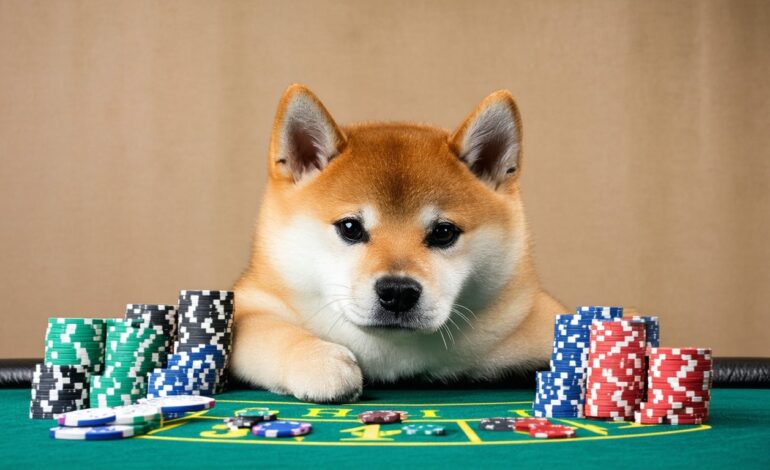
Shiba Inu (SHIB) casinos are typically platforms that use SHIB as the main betting currency. These casinos ride on the vast, loyal community that emerged post-2020 as SHIB became a household name in meme coin territory. In 2024, SHIB traded with high daily volume and was supported on many tier-one exchanges—a trend expected to hold or even grow by 2026.
Price Swings: The Nature of Shiba Inu
Historically, Shiba Inu’s price action has been defined by sharp, meme-driven pumps and equally fast corrections. For gamblers, this can translate to:
- Enhanced upside when winning bets during upward price momentum
- Potentially steep losses if SHIB’s value drops before cashing out
Recent years have seen SHIB’s volatility moderate compared to its 2021–22 heyday, but it remains more reactive to social media trends than major blue-chip altcoins.
“SHIB’s volatility is a double-edged sword for casino users,” notes crypto risk analyst Thomas Wu. “You might triple your winnings in a bull run, or find them halved within a day if sentiment turns sour.“
The Platform Effect: Ecosystem Centralization
Most Shiba Inu casinos stake their brand identity on being “for the community,” resulting in tighter governance and platform design around SHIB itself. This focus, while reducing exposure to unrelated market shocks, creates concentrated risk. A major SHIB price correction, security exploit, or regulatory shift could disrupt the entire casino.
On the upside, a passionate user base often means high engagement and potential for viral campaigns—fueling usage even in choppy markets.
Altcoin Casinos: Diversification Brings Its Own Swings
Altcoin casinos, by contrast, allow deposits and play across a basket of cryptocurrencies—typically including Ethereum, Cardano, Dogecoin, Solana, and many others. This model introduces a different dynamic: volatility becomes more diffuse but not necessarily smaller.
Diversification of Risk—But Not Immunity
Allowing multiple altcoins for gaming does spread out token-specific risk. If one altcoin drops, users of another may remain unaffected, creating some resilience.
However, many altcoins are themselves more volatile than “mainstream” cryptos like Bitcoin or even Ethereum. In prior cycles, lesser-known tokens could see extreme double-digit daily swings, often based on small headlines or technical exploits. Frequent upgrades on chains like Solana, for example, have historically led to both outages and price spikes.
Liquidity and Payment Processing Challenges
Another aspect of volatility is the liquidity of lesser-known altcoins. Illiquid tokens mean bigger slippage for large withdrawals, slower transaction confirmation, or (in worst-case scenarios) total loss of funds due to smart contract bugs.
From an operator’s perspective, managing such a diverse treasury requires constant rebalancing and risk analysis. In extreme bear markets, casinos accepting highly volatile or thinly traded altcoins must be agile to avoid insolvency.
Real-World Example: 2022’s Altcoin Crash Effect
A practical illustration can be seen from the crypto crash of 2022. Many altcoin casinos saw user balances eroded overnight as non-Bitcoin, non-Ethereum coins fell more than 50% in a matter of days, prompting some platforms to freeze withdrawals or swiftly delist unstable assets.
Head-to-Head: Comparing Volatility in 2026 and Beyond
User Experience: Who Feels the Swings More?
- Shiba Inu casino players: Experience volatility tied closely to SHIB’s community-driven price action. Major swings may become less frequent as the ecosystem matures, but viral events can still drive sharp market reactions.
- Altcoin casino players: Face exposure to a broader range of risks. Some may benefit from stable altcoins, but many will encounter projects prone to wild speculation, forks, or outright failure.
Platform Stability: Centralized vs. Crowdsourced Risk
- Shiba Inu casinos: Centralization around one token can make operations easier but amplifies risk when that token faces regulatory, liquidity, or technical issues.
- Altcoin casinos: Platforms need advanced multi-asset management. While diversification offers protection, spreads risk across many vectors, including platform downtime if one token’s network goes haywire.
Market Trends to Watch for 2026
Several factors will shape volatility over the coming years:
– Stablecoin Integration: Many altcoin casinos are expected to integrate more stablecoins, potentially reducing volatility for cautious users.
– Layer-2 Adoption: Faster, scalable blockchains (like Polygon or Arbitrum) will make both types of casinos more responsive, but may introduce new contract risks.
– Regulatory Changes: Global policy shifts, especially regarding high-profile meme coins like SHIB, could dramatically alter the risk landscape.
What the Experts Say
“Crypto gaming volatility will remain a defining feature through 2026. Whether anchored in a single meme coin like SHIB or spread across multiple altcoins, the key for both players and operators is to adopt robust risk management strategies and stay agile amid shifting market conditions.”
— Julia Rollins, Digital Asset Gaming Consultant
Concluding Thoughts: Choosing Your Risk in the New Casino Era
In the final analysis, both Shiba Inu and altcoin casinos offer dynamic—at times, exhilarating—user experiences shaped by the wild nature of crypto. Shiba Inu casinos concentrate risk and reward around a singular, meme-fueled ecosystem, while altcoin casinos diversify exposure but may inherit unpredictable token events.
The “most volatile” depends on timing, token selection, and platform resilience. For risk-tolerant gamblers chasing outsized wins, volatility is part of the thrill. For long-term players or those seeking steady entertainment, integrating stablecoins and reputable platforms will be increasingly essential by 2026.
FAQs
What makes a Shiba Inu casino more volatile than an altcoin casino?
Shiba Inu casinos rely heavily on the price action of a single, community-driven token. This causes users’ holdings to swing with SHIB’s market performance, which tends to react sharply to social media and news cycles.
Which type of casino is safer for long-term play?
Neither is entirely “safe,” but altcoin casinos that offer stablecoin options and regular audits may reduce some risk, while Shiba Inu casinos are best for those who understand and accept the unique risks of meme coin speculation.
How do platform security issues affect volatility?
Technical vulnerabilities, such as smart contract bugs or hacks, can cause sudden loss of user funds and undermine confidence, increasing the effective volatility of a casino regardless of the tokens it accepts.
Is volatility in crypto casinos expected to increase by 2026?
Volatility will likely remain high, though parts of the market may mature or stabilize. Ongoing regulatory changes and the introduction of new tokens or blockchains will be key drivers of continued unpredictability.
Can stablecoins completely eliminate casino volatility?
Stablecoins can reduce exposure to drastic price swings, but cannot eliminate all risks. Platform security, regulatory changes, and liquidity issues may still introduce volatility for both users and operators.