Gas-Spike Survival: Playing at an Ethereum Casino During Volatile Periods

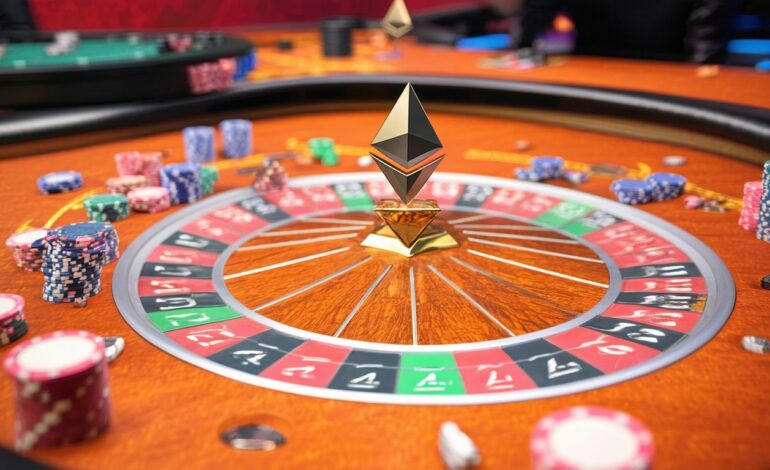
In the evolving cryptosphere, Ethereum casinos have emerged as innovative spaces where gaming, decentralized finance, and blockchain’s unpredictability intersect. Yet as 2027 unfolds, veteran and new players alike face a pressing operational hazard: wild fluctuations in Ethereum gas fees, sometimes multiplying transaction costs manyfold within minutes. These price swings—driven by network congestion, speculation, or major NFT launches—can dramatically impact the real cost and player experience of decentralized gambling. Understanding how to survive, strategize, and even thrive at an Ethereum casino during volatile periods is no longer optional, but essential.
Understanding Ethereum Gas Fees and Their Volatility
Gas fees, denominated in gwei, are payments made to miners and validators for processing transactions on the Ethereum blockchain. When periods of network congestion hit, these fees can spike dramatically, transforming a routine bet or withdrawal into a much costlier affair.
The Mechanics Behind Gas Spikes
Gas fees reflect supply and demand on the blockchain. When demand to execute transactions outpaces supply (validators’ ability to process them), gas prices climb. Key contributors include:
- Major token launches or NFT drops, attracting thousands of simultaneous transactions
- Popular DeFi protocols updating or attracting new liquidity
- Flash trading events or blockchain-based games with sudden surges in use
For players at Ethereum casinos, this can turn a low-fee game into a high-stakes proposition; in extreme spikes, the fee to place a bet or cash out winnings might eclipse the wager itself.
The 2027 Landscape: More Users, More Volatility
By 2027, Ethereum’s global adoption and the introduction of high-throughput Layer 2 solutions haven’t fully eliminated spikes. While many projects have migrated to Layer 2s or alternative chains to reduce costs, periods of mass migration or interoperability events (for example, when a popular Layer 2 bridge goes offline) can send mainnet fees soaring again.
The Real-World Impact on Ethereum Casino Players
Operating during a gas spike affects every facet of digital gambling:
- Deposit/Withdrawal Costs: The cost to deposit or withdraw funds can abruptly rise, creating unforeseen expenses or making small balances uneconomical to move.
- Bet Settlement Delays: High gas prices can slow transaction confirmations, delaying bet resolutions and payouts.
- Game Accessibility: Some casinos pause high-fee features to protect player experience, while others pass the full cost to users.
Ethereum casino operators must adapt their UX and policies, and savvy players learn to watch network fee trackers as closely as roulette wheels.
Case Study: Surviving the November 2026 NFT Frenzy
A telling episode occurred during the November 2026 NFT boom. Popular Ethereum casinos reported a tenfold jump in transaction fees within hours as a major art drop overwhelmed the network. Seasoned players, anticipating volatility, staged their moves—batching deposits days before, waiting out the highest spikes, and using smart gas-tracking tools to minimize spend. Newer gamblers, drawn in by aggressive prize promotions, found winnings eaten by fees they hadn’t anticipated.
“In any volatile gas environment, patience and planning separate successful players from disappointed ones. It’s not just about what you bet—it’s about when and how you move your funds.”
— Mira Castillo, Ethereum gaming strategist
Strategies for Gas-Spike Survival in 2027
Thriving at an Ethereum casino during volatile periods requires a blend of technical savvy and disciplined gameplay. Several strategies, adopted by leading players and operators, help reduce the financial sting of high gas fees.
1. Timing Transactions for Off-Peak Hours
Ethereum congestion follows global usage patterns. Many gamers schedule deposits, game plays, and withdrawals during off-peak times—late-night UTC or weekends—when average gas prices historically dip. Real-time gas trackers like ETH Gas Station or Dune dashboards help pinpoint optimal windows.
2. Utilizing Layer 2 Solutions and Sidechains
Modern Ethereum casinos increasingly support Layer 2 networks such as Arbitrum or Optimism. Players who bridge their funds to these Layer 2s enjoy dramatically lower transaction fees and near-instant confirmations.
Example: In 2027, CasinoNova reported that over 70% of its player base had shifted to its Arbitrum-compatible lobby, slashing average transaction costs by over 90% during high mainnet volatility.
3. Batching Transactions and Smart Contract Efficiency
Advanced users—especially those who gamble frequently or with larger amounts—batch multiple actions into a single transaction. Many casinos now offer internal batch processing (e.g., depositing for multiple games at once) or gas-optimized smart contracts. Players benefit from lower average fees per action.
4. Monitoring Casino-Specific Policies
Some casinos implement “gas shields,” subsidizing or capping player fees during spike events (often in exchange for a share of winnings or future play requirements). Others temporarily suspend high-fee features to protect users from predatory network conditions. Checking operator policies before transacting during volatile times is critical.
Practical Checklist for Gas Spike Survival
- Monitor multiple gas trackers; set automated alerts when prices drop below a preferred threshold.
- Pre-fund casino balances before anticipated high-traffic events.
- Choose casinos with robust Layer 2 or alternative chain support.
- Join community channels for real-time analysis and peer guidance.
The Broader Impact: Shaping Casino Design and Regulation
Ethereum’s unpredictability isn’t just a player headache; it shapes the entire online casino ecosystem. Operators now factor fee volatility into UX, promotional timing, liquidity strategies, and even regulatory disclosures.
Regulatory Attention on Fair Play
By 2027, some jurisdictions mandate clear disclosures of average gas fees and prompt notification during spikes. Transparency is no longer optional—it’s a competitive edge and a legal requirement in regions that prioritize consumer protection.
Tech Innovation: Pushing the Industry Forward
Casinos and DeFi gaming platforms increasingly invest in:
- Automated fee prediction algorithms
- Flexible settlement layers (seamless fallback from mainnet to Layer 2)
- Dynamically adjusting promotions to account for fee flux
Such advances both mitigate risk and foster player trust, even when the network’s core economics remain volatile.
Conclusion: Resilience and Opportunity in Ethereum Casino Play
Tackling gas spikes at Ethereum casinos in 2027 demands vigilance, smart planning, and a willingness to leverage technological innovation. While volatility introduces risk, it also drives adaptation—for both agile players and forward-thinking operators. Surviving and thriving in these conditions means treating network fees not simply as a cost, but as a strategic component of the gaming experience.
FAQs
What causes gas fees to spike at Ethereum casinos?
Sudden increases in network activity—such as NFT launches, DeFi events, or high-traffic casino promotions—drive more users to transact at once, raising competition and costs for transaction processing.
How can I minimize gas costs while gambling on Ethereum?
Consider using Layer 2-supported casinos, time your deposits and withdrawals during off-peak hours, and look for platforms that offer batched transactions or gas subsidies during volatile periods.
Do all Ethereum casinos support Layer 2 or alternative chains?
Not all casinos have integrated Layer 2 options. It’s essential to research a platform’s supported networks before playing, especially if you want to avoid high mainnet fees.
Are gas spikes a sign of risk for casino operators?
Yes—persistent fee volatility can impact user experience, retention, and legal compliance. Leading operators proactively communicate fee conditions and invest in technical solutions to reduce the impact.
What happens if I start a transaction during a fee spike?
If the transaction is processed amid high fees, you may pay much more than expected. Some wallets and casinos allow you to set fee limits or cancel pending actions if prices rise sharply before confirmation.
Are there tools available to track gas prices in real time?
Yes, several tools such as ETH Gas Station, Dune Analytics dashboards, and on-casino widgets provide live updates, helping users decide when to transact for optimal fees.