Altcoin Casino vs Bitcoin Casino: Which Offers Lower Fees?

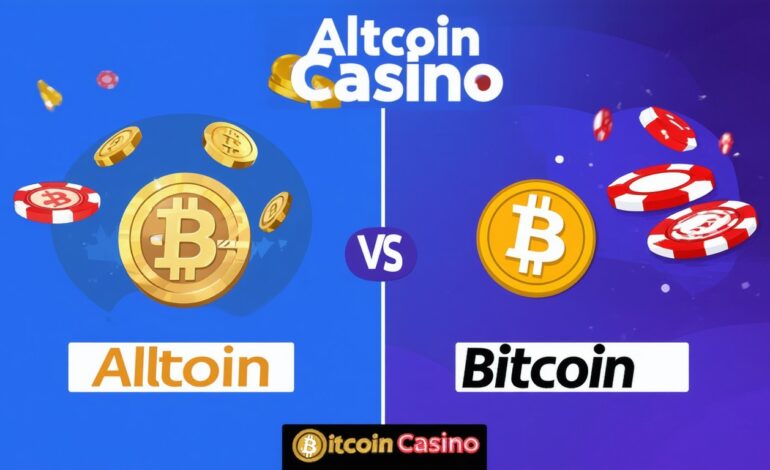
The rapid mainstreaming of cryptocurrencies has transformed the world of online gambling, ushering in specialized platforms known as crypto casinos. At the center of this shift stands an intriguing debate: Altcoin casino vs Bitcoin casino—who wins on fees by 2026? As regulatory clarity increases and blockchain adoption grows, players are demanding faster transactions, lower costs, and seamless experiences. With Bitcoin’s network still setting industry norms and a diverse altcoin ecosystem advancing both technology and economics, the battle over casino transaction fees is poised to shape the next era of crypto gaming.
The Evolution of Casino Fees: From Fiat to Crypto
Traditional Casinos: Slow and Expensive Payments
Before the crypto sector’s ascent, online casinos relied on credit cards, bank transfers, and e-wallets—methods often subject to processing lags and significant transaction charges. Withdrawal fees between 2% and 5% for fiat currency transactions were common, with payouts sometimes delayed for days due to compliance checks.
Bitcoin’s Promise and Growing Pains
Bitcoin casinos initially offered a dramatic improvement. By eliminating middlemen, Bitcoin enabled global players to deposit and withdraw funds with relative speed. Low transaction fees (a few cents per transaction in the early days) and transparency increased player trust. However, as adoption surged, Bitcoin’s network capacity issues triggered fee spikes—occasionally surpassing $10 during peak congestion.
The Altcoin Alternative
Responding to these bottlenecks, a new wave of “altcoin casinos” began accepting alternative cryptocurrencies such as Ethereum, Litecoin, Solana, and Dogecoin. Their appeal: lower fees, faster settlements, and in some cases, smart contract-powered transparency. By 2024, a significant share of crypto gambling platforms listed multiple coin options, giving users greater flexibility.
Bitcoin Casino Fees in 2026: Where Do They Stand?
Bitcoin Network Upgrades and Their Impact
A series of Bitcoin protocol upgrades (including Taproot and Lightning Network rollouts) have set out to tackle congestion and cost. The Lightning Network, in particular, allows off-chain transactions—enabling instant, near-feeless micro-payments. Still, mainstream adoption of these solutions remains uneven.
For direct Bitcoin transactions (on-chain), fees are highly variable, influenced by network activity and block size limitations. Average fees in 2023 ranged from $2 to $5 for standard transactions—significantly higher during market bull runs or network stress.
Lightning Network: Panacea or Partial Fix?
The Lightning Network empowers some casinos to offer “instant Bitcoin withdrawals” with negligible fees. Yet uncertainty lingers about channel liquidity, routing issues, and user-friendliness.
“For players seeking rock-bottom fees, Lightning-powered Bitcoin casinos stand out, but the technology’s user experience and support are still maturing,” notes fintech analyst Rachel Evans.
Casinos seeking global appeal must also cater to players less familiar with advanced crypto tools, prompting many to maintain both on-chain and Lightning options—with different fee structures for each.
Altcoin Casino Fees: The 2026 Landscape
Altcoin Variety—and Variable Costs
Unlike Bitcoin, altcoins span a broader array of blockchains, consensus models, and fee structures:
- Ethereum: Still dominant but notorious for its “gas” fee volatility, which can reach several dollars during peak times.
- Litecoin and Dogecoin: Favored for consistently low fees, often just fractions of a cent regardless of market activity.
- Solana, Avalanche, Polygon: Layer-1 and Layer-2 blockchains pushing the boundaries of sub-cent fees and fast confirmation times.
Stablecoins and Gasless Gaming
A growing trend is the integration of stablecoins (such as USDT on Tron or USDC on Polygon) for both stability and low-cost transactions. Some gaming platforms even leverage “gasless” or subsidized transactions, where casinos cover minor network fees as a player acquisition incentive.
In practice, altcoin casinos can typically offer deposit and withdrawal fees considerably lower than those of on-chain Bitcoin—often near zero, barring congested networks such as Ethereum.
Network Risks and Hidden Fees
Not all altcoins are created equal, and the risk of rapid fee spikes (as seen with NFTs on Ethereum) or network interruptions (Solana outages) can occasionally disrupt the low-fee narrative. Casinos may also charge internal processing fees or offer lower maximum payouts to offset blockchain-specific risks.
Real-World Casino Comparisons: Bitcoin vs. Leading Altcoins
Scenario Analysis: Playing the Same Game
Consider two popular crypto casinos in 2026:
- BitCasino (BTC-focused):
- On-chain BTC withdrawal fee: $3–$7 (variable)
- Lightning withdrawal: $0.05 or less (with possible restrictions)
- PlayAlt (Multi-altcoin):
- Litecoin/Dogecoin withdrawal: <$0.02
- Ethereum withdrawal: typically $1–$4 (higher at peak congestion)
- Solana or Polygon withdrawal: fractions of a cent
For a player cashing out frequent small winnings, the compounding effect of these fees can reshape profitability over time.
User Experience: Beyond Just Fees
While altcoins nearly always win the “cheap transaction” contest, other factors like deposit speed, liquidity, supported wallets, and regulatory acceptance also shape user choice. Some casinos charge internal administrative fees or enforce withdrawal limits—regardless of blockchain—diluting the impact of raw network costs.
Regulatory and Technical Forces Shaping Fees by 2026
Compliance and Licensing Costs
As jurisdictions refine their stances on crypto gaming, new licensing regimes can require strict oversight and reporting. Casinos in regulated markets may pass some regulatory compliance costs onto players, disguising these as operational fees or withdrawal minimums.
Security, Smart Contracts, and Sustainability
Blockchain security incidents, such as smart contract exploits, can force casinos to implement extra safety nets, sometimes funded by micro-fees on all transactions. Meanwhile, networks investing in eco-friendly consensus mechanisms may attract users not just on fee metrics but also on ethical considerations.
The Emerging Role of Casino Wallets
Many platforms are rolling out in-house, custodial wallets—allowing ultra-cheap or even free internal transfers between players. However, moving funds off-platform (to a personal wallet) is where blockchain network fees inevitably apply. Here, altcoins with stable, rock-bottom costs have a lasting edge.
Expert Perspectives: Which Model is Winning?
The majority of experts highlight altcoin casinos’ flexibility and generally lower average transaction costs, with Bitcoin casinos retaining cachet for their reputation and deep liquidity.
“In 2026, players savvy about fees are favoring altcoin casinos for their micro-transaction-friendly costs, but Bitcoin remains the currency of trust for high-value withdrawals,” observes iGaming researcher Dr. Mark Johansson.
Ultimately, platforms blending multi-coin support—offering both Bitcoin and a top-tier of stable-value, fast-settlement altcoins—are best positioned to win on both fees and user appeal.
Conclusion: Strategic Takeaways for Players and Operators
By 2026, the fee landscape in crypto casinos is defined by technological innovation and user-centric evolution. Altcoin casinos generally offer lower, more predictable transaction fees—especially for players moving smaller amounts or playing frequently. Bitcoin casinos, meanwhile, benefit from brand strength, security, and—where Lightning is enabled—competitive fees.
Smart operators are adopting a hybrid approach: integrating both Bitcoin (including Lightning) and leading altcoins, transparently disclosing true costs, and optimizing withdrawal processes. Savvy players should compare real-world fee policies, prioritize networks with proven reliability, and—and crucially—factor in their own transaction sizes and preferences.
FAQs
What is the main difference in fees between Bitcoin and altcoin casinos?
The main difference is that altcoin casinos—especially those accepting coins like Litecoin, Dogecoin, or Solana—typically offer lower and more stable transaction fees compared to Bitcoin casinos using on-chain transactions.
Do all Bitcoin casinos support the Lightning Network for lower fees?
Not all Bitcoin casinos have adopted the Lightning Network. Players should check with each platform, as Lightning offers instant transactions at minimal cost but may have limitations on maximum withdrawal sizes and supported wallets.
Are there any hidden fees with altcoin casinos?
Some altcoin casinos charge internal service or processing fees in addition to the native blockchain transaction cost. It’s important to review each casino’s terms to avoid surprises during withdrawal or conversion.
How can players minimize casino transaction fees?
Choose casinos supporting low-fee blockchains, use in-platform wallets for free transfers when possible, and opt for withdrawal methods with the lowest network congestion and cost. Comparing real-world examples and up-to-date fee schedules is key.
Can regulatory requirements affect casino fees?
Yes. As crypto regulations become more stringent, casinos may introduce or adjust fees to cover increased compliance and licensing costs, which could be reflected in withdrawal minimums or operational charges.
Are altcoin casinos always better than Bitcoin for small transactions?
For frequent or small-value transactions, altcoin casinos often provide better value due to lower costs. However, user preference, casino reputation, and network security remain important factors when choosing a platform.