Can an Altcoin Casino Be Stable? Tips to Manage Crypto Volatility

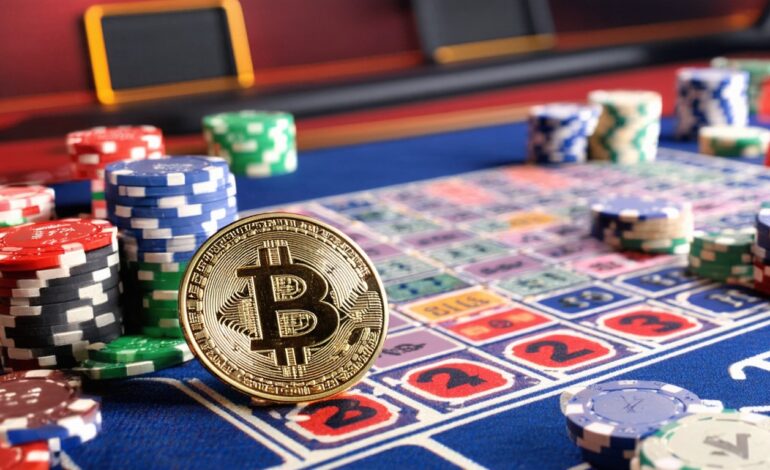
The idea of combining altcoins and online casinos is alluring—quick transactions, global accessibility, and anonymity. Yet, the volatile nature of most altcoins raises pressing questions about stability. Can an altcoin casino ever truly offer a stable gaming experience, or is unpredictability simply the price of admission? As digital currency gambling gains ground, understanding how these platforms manage—and sometimes thrive despite—fluctuating crypto values is crucial for both operators and players.
Beyond the appeal of decentralized gambling, the core concern is clear: wild swings in token price can turn a winning streak into a bad beat, or vice versa, overnight. For many, the prospect of their casino bankroll suddenly losing (or gaining) significant value due to external market moves is nerve-wracking. That anxiety often overshadows the other advantages of crypto gaming, prompting a closer look at how leading altcoin casinos are addressing this fundamental challenge.
Understanding Volatility: Why Altcoin Casinos Are Different
Altcoins—cryptocurrencies other than Bitcoin—are notorious for their price swings. Factors like low liquidity, shifting community sentiment, and speculative trading magnify these movements. For online casinos, accepting such assets means their operational finances, payout structures, and player experiences are directly affected by crypto volatility.
How Volatility Enters the Game
Traditional online casinos typically use fiat currencies, which fluctuate much less day-to-day. In contrast, altcoin casinos may see the same bet win or lose the equivalent of much more or less money based purely on market shifts, not game outcomes. For example, a player who deposits 100 units of an altcoin might see its value decrease by 10% overnight—meaning their real purchasing power within the platform has dropped, even if the token balance remains unchanged.
Moreover, operational overheads such as server costs, licensing, and marketing are generally fixed in fiat, making sudden drops in altcoin value especially risky for casino operators. The most prominent altcoin casinos, like those running on Ethereum, Dogecoin, or Solana, must hedge or manage reserves carefully to avoid financial imbalance.
Strategies Altcoin Casinos Use to Create Stability
Despite these challenges, several strategies have emerged to help altcoin casinos mitigate the risks of volatility and offer more predictable experiences.
1. Auto-Stablecoin Conversions
Some platforms automatically convert user deposits into stablecoins (like USDT or USDC), pegged to the US Dollar, upon deposit. Winnings are then paid out in the user’s preferred altcoin or as stablecoins. This shields both the operator and the player from most short-term swings.
2. Real-Time Exchange Rate Locking
Instead of automatic conversions, some casinos “lock in” exchange rates at the time of a bet or deposit. For example, a wager made in Cardano could be pegged to its USD value at the moment the bet is placed, so market moves don’t affect the actual win/loss calculation during gameplay.
3. Dynamic Bonus and Payout Adjustments
To adjust for wider market volatility, some sites scale bonuses and promotional offers according to recent price movements. This helps ensure that incentives remain attractive without exposing the house to undue risk in declining or surging markets.
4. Risk Management through Treasury Balancing
Larger crypto casinos employ treasury management tools, such as holding reserves in multiple currencies (including stablecoins or Bitcoin), hedging market exposure with derivatives, or integrating algorithmic rebalancing systems. This reduces the risk posed by any single token’s price movement.
“Smart treasury management is the bedrock of sustainable crypto casino operations. By diversifying reserves and utilizing stablecoins, platforms can significantly reduce the financial tremors caused by extreme volatility.”
— Samir Ghosh, blockchain risk consultant
Player Perspectives: Coping with the Rollercoaster
For gamblers, the psychological impact of crypto volatility is tangible. The feeling that a bankroll could halven or double in value for reasons beyond their gaming skill affects risk appetite and trust in the platform.
Stories from the Floor
Consider Anna, a regular user of an altcoin casino that accepts Solana and Shiba Inu. She describes depositing a sum of SHIB and seeing its dollar value drop 15% overnight—not due to her luck at the tables, but because of a market dip. Conversely, on another occasion, her winnings appreciated by 30% by the time she cashed out, thanks to a surprise price surge during her gaming session.
Player Advice: Emotional Management
To remain in control, many seasoned players practice a few key habits:
- They regularly monitor altcoin news and price trends.
- They avoid keeping large balances on casino sites, withdrawing or converting to fiat or stablecoins frequently.
- They set clear fiat-equivalent budgets, rather than thinking solely in token denominations.
- They treat crypto gaming funds as high-risk capital, not core savings.
These steps don’t eliminate volatility, but they help manage personal stress, aligning expectations with the realities of the market.
Regulation and Trust: The Role of Licensing and Transparency
Trust is a fragile commodity in the crypto gambling world. Altcoin casino stability doesn’t just hinge on market factors, but also on whether the platform is professionally run and holds proper licenses.
Leading Practices for Building Player Trust
- Transparent reserves: Proof-of-reserves audits, updated regularly, help demonstrate that a casino can honor large withdrawals regardless of market moves.
- Licensing and compliance: Reputable altcoin casinos seek gaming licenses from recognized jurisdictions to assure players of basic operational standards.
- Clear terms: Honest communication about how volatility is managed—including what happens during extreme swings—builds confidence and reduces disputes.
Just as in decentralized finance (DeFi), the intersection of transparency and technology is becoming a hallmark of the most trusted crypto gaming operators.
The Path Forward: Can Altcoin Casinos Ever Be Truly Stable?
Absolute stability remains challenging so long as altcoins themselves are subject to unpredictable market forces. However, with robust treasury practices, advanced hedging tools, and creative in-game mechanics like exchange rate locks, the “stability gap” continues to narrow.
Forward-looking platforms will increasingly combine financial innovation with user education. This may include optional loss-limiting features for players, or proactively converting inactive balances to stablecoins for safekeeping.
As regulation evolves and blockchain analytics mature, the industry’s capacity to protect both its own bottom line and player interests should continue to grow—even amidst the undeniable thrills (and risks) of digital asset volatility.
Conclusion: Managing Volatility Without Losing Your Cool
Altcoin casinos are unlikely to ever match the day-to-day stability of their fiat-only counterparts. But through a mix of technical safeguards, financial prudence, and transparent communication, many platforms are coming ever closer to offering reliable, rewarding experiences for digital currency gamblers. For players, understanding how volatility is handled—and taking personal precautions—remains essential to maximizing enjoyment and minimizing stress.
FAQs
Are altcoin casinos riskier than traditional online casinos?
Yes, altcoin casinos carry added risks due to cryptocurrency volatility. While gameplay fairness can be similar, the value of your bankroll can change rapidly, affecting both potential winnings and losses.
How do some casinos protect players from extreme crypto price swings?
Some platforms convert deposits into stablecoins or lock in a token’s value at the time of bet, helping to shield both operator and player from abrupt market shifts during gameplay.
Are winnings from altcoin casinos stable in value?
Winnings measured in altcoins can fluctuate significantly after the game, depending on market price movements. Platforms that use stablecoins can offer more consistent payout values.
What are some warning signs of unstable or untrustworthy altcoin casinos?
Lack of licensing, absence of proof-of-reserves, unclear policies on volatility, and poor customer support may indicate a higher-risk operation. Transparency and regulatory compliance are vital for trust.
Can regulation make altcoin casinos safer?
Stronger regulation encourages best practices, helps enforce fair play, and can improve financial transparency, but it cannot eliminate the inherent volatility of cryptocurrency assets.
What should players do to manage their own risk?
Keep casino balances low, monitor the value of your tokens, and consider converting winnings into stablecoins or fiat to lock in value. Always avoid betting with funds you can’t afford to lose.