Shiba Inu Casino vs Bitcoin Casino: Which Is Riskier?

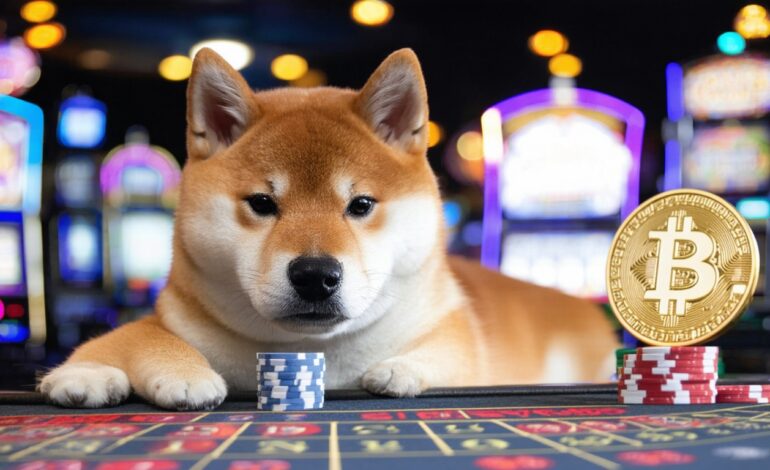
Cryptocurrency and iGaming have intersected in potent, unpredictable ways, culminating in a new breed of online casino that operates using digital assets. While Bitcoin casinos have become a fixture of the online gaming world, Shiba Inu (SHIB)—a meme-inspired token—has rapidly gained ground as a gambling currency. But as the market heads into 2026, discerning risk in these platforms is becoming more nuanced and more vital than ever.
The Evolution of Crypto Casinos
The journey of online casinos from legacy fiat models to crypto-first pioneers has unfolded over the past decade. The earliest adopters, mainly Bitcoin, touted privacy, speed, and global access—ushering in a demographic hungry for innovation and anonymity. Fast-forward to 2026, and the playing field is crowded not just with Bitcoin but with a multitude of altcoins, notably Shiba Inu, each with distinct communities and risk profiles.
Bitcoin remains the benchmark: its casinos generally feature mature security protocols, greater liquidity, and regulatory frameworks that, while still evolving, are now better defined. In contrast, Shiba Inu casinos ride a wave of meme culture, promising high-reward excitement but often with higher volatility—and, in some cases, less oversight.
Key Risk Factors in Crypto Casinos
Assessing risk is central to any gambling strategy. In crypto casinos, risks stem from several vectors: currency volatility, platform security, regulation, and user protection mechanisms. Understanding these differences is crucial for safety and profit alike.
Volatility and Value Stability
Bitcoin has seen its fair share of wild price swings, but over the years, it has exhibited increasing stability compared to most altcoins. Institutional adoption, network effects, and a capped supply have given Bitcoin a relative value anchor.
Shiba Inu, by comparison, is far more volatile. Created as a meme coin with a massive supply and driven largely by social sentiment, its price can swing dramatically based on influencers, viral trends, or speculative hype.
“With meme tokens like Shiba Inu, price swings can undo winnings in a matter of minutes, making risk management far more complex than with established digital currencies like Bitcoin,” says blockchain gaming analyst Dante Wilkinson.
Security and Transparency
Most established Bitcoin casinos have robust technical security and transparent auditing practices. Open-source provably fair algorithms are now standard, enabling players to verify game fairness independently. Some platforms are even regulated in aggressively progressive jurisdictions.
By contrast, many Shiba Inu casinos are relatively new entrants, sometimes run by less experienced teams. While a portion is indeed reputable, others may lack transparency, making it crucial for players to verify licensing, auditing, and the technology stack behind any SHIB casino.
Red Flags and Trust Signals
- Licensing: Bitcoin casinos are more likely to be licensed by recognized authorities (e.g., Curacao, Malta).
- Auditing: Look for third-party verification, especially among SHIB casinos.
- Community Feedback: Both casino types should be checked for user reviews and complaints in platforms like Trustpilot or crypto forums.
Regulatory Landscape and Compliance Risks
In 2026, crypto gaming regulations are still patchwork at best. Bitcoin casinos face ongoing compliance battles in several jurisdictions, but many operate openly where authorities have clarified their stance. Some even work toward voluntary compliance, integrating Know Your Customer (KYC) checks to satisfy global anti-money-laundering (AML) norms.
Shiba Inu casinos, by virtue of being newer and often less institutional, may attempt to skirt regulation altogether, especially in gray-market regions. This can result in sudden shutdowns, frozen assets, or unresponsive customer support if a platform faces legal fire.
Jurisdictional Differences
- Bitcoin Casinos: More likely to follow established regulatory paths.
- Shiba Inu Casinos: High-risk unregulated operations are more common.
Beyond outright legality, compliance status impacts user safety, recourse avenues, and the long-term viability of any winnings.
User Experience, Game Selection, and Reward Structures
Game variety and platform experience can indirectly influence risk exposure. Bitcoin casinos, as market veterans, tend to have a broader game catalog—slots, live dealers, sports betting—and established loyalty or VIP rewards. Their banking infrastructure is tried and tested, enabling faster withdrawals and lower downtime.
Shiba Inu casinos often cater to novelty and a younger audience, with meme themes, community pools, and high-yield airdrops. While these can amplify rewards, they sometimes attract players motivated by hype instead of careful play, creating an environment rife with speculative risk.
Scenario: A Week in Two Casinos
Consider Ava, an experienced crypto gambler. In a week at a Bitcoin casino, her main risk is the modest (by 2026 standards) fluctuation in BTC value, coupled with occasional downtime due to heavy regulatory compliance checks. At a Shiba Inu casino, Ava sees far higher short-term gains—but her earnings are quickly eroded by a sudden price crash in SHIB, compounded by longer withdrawal wait times and spotty customer support.
Community, Culture, and Scam Risk
Meme coins like Shiba Inu thrive on internet virality and community-driven hype. While this vibrant culture can spawn creative gamification and big jackpots, it also opens doors to scam risks: rug pulls, honeypots, or exit scams—particularly among lesser-known SHIB casinos.
In contrast, the Bitcoin casino sphere has, over time, matured. Major operators have built reputations that hinge on consistent payouts, solid privacy protocols, and lasting community trust.
“Cryptocurrency users should always vet the team and track record behind a casino. The more anonymous or unverified the platform, the greater the likelihood of unrecoverable losses,” emphasizes crypto security expert Lila Menon.
Risk Management Tips for 2026’s Crypto Gamblers
Given the evolving landscape, certain risk management strategies have become increasingly critical for both novice and seasoned players:
- Research Casino Credentials: Always prioritize platforms with clear licensing and independent audits.
- Diversify Gambling Funds: Avoid putting all betting capital in a single casino—or in a highly volatile token.
- Understand Withdrawal Policies: Favor casinos with instant, verified withdrawal processes.
- Monitor Social Sentiment: For SHIB casinos, stay alert to major news or shifts in sentiment.
- Set Loss Limits: Use tools or self-discipline to avoid chasing losses in fast-moving markets.
Conclusion: The Nuanced Risks of Shiba Inu vs Bitcoin Casinos
While both Shiba Inu and Bitcoin casinos carry inherent risks common to the crypto gaming industry, the level and nature of that risk vary sharply. Bitcoin casinos benefit from maturity, established security, and stronger regulatory pathways, making risks more predictable and generally lower. Shiba Inu casinos, though thrilling and sometimes lucrative, demand extra caution—both for their price volatility and the infancy of their operating ecosystem.
Ultimately, risk tolerance, personal research, and a sharp eye for platform legitimacy should guide every player’s journey. In the rapidly shifting world of crypto casinos, informed caution is the wise gambler’s best wager.
FAQs
Are Shiba Inu casinos less regulated than Bitcoin casinos?
Yes, most Shiba Inu casinos tend to operate with fewer regulatory safeguards than established Bitcoin casinos, increasing potential risk for players.
Can price swings in Shiba Inu affect my casino winnings?
Absolutely. Because SHIB is more volatile than BTC, sudden drops or spikes in value can significantly alter the real-world worth of your winnings or deposits.
How can I spot a trustworthy crypto casino?
Look for visible licensing, third-party audits, transparent terms, and positive community feedback. A reputable casino should be upfront about its security protocols and withdrawal policies.
Is it safer to play with Bitcoin than Shiba Inu in online casinos?
Generally, yes. Bitcoin’s relative stability, longer operational track record, and wider regulatory acceptance make it less risky compared to the emergent and more volatile Shiba Inu casino sector.
What should I do if a casino refuses to pay out my winnings?
Document all interactions, read the casino’s terms, and escalate the issue to regulatory bodies or public forums. This is another reason to prioritize licensed, reputable casinos.
Are there benefits to using Shiba Inu despite the risks?
Some players enjoy larger promotional bonuses or novel gaming experiences at SHIB casinos, but these should be weighed against the increased risks and potential for unrecoverable losses.