Altcoin Casino Checklist: Coins, Limits, and Real Payout Speeds

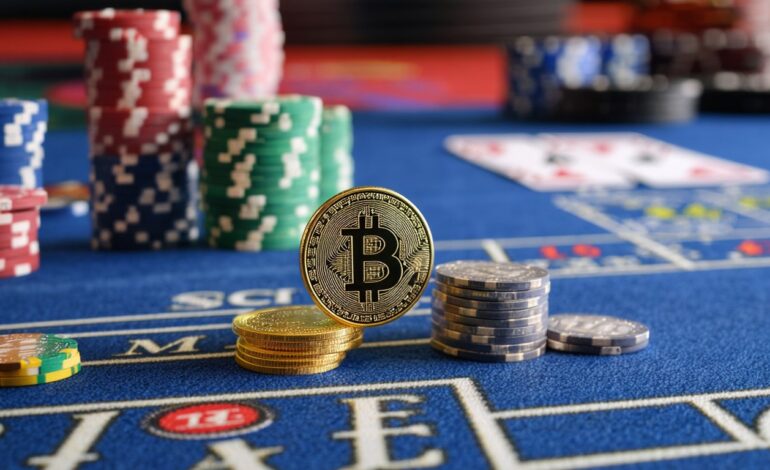
Online casinos that accept altcoins have made their mark as a driving force in digital gaming innovation. By 2026, the landscape is no longer experimental—it’s fiercely competitive. The key differentiators for players are rapidly evolving: which coins do casinos really accept, how flexible are their bet limits, and how fast can winners cash out their crypto? For both experienced players and industry observers, understanding these essential checkpoints is crucial to navigating and thriving in the casino crypto ecosystem.
Altcoin Selection: Beyond Bitcoin
Diversification is now the rule, not the exception, for top-performing crypto casinos. Bitcoin’s dominance remains, but dozens of altcoins—ranging from Ethereum and Solana to meme coins like Dogecoin and Shiba Inu—are now featured in gaming lobbies.
Which Coins Are Gaining Traction?
While Ethereum and USDT (Tether) enjoy widespread integration due to liquidity and robust support, there’s a significant uptick in casinos listing newer coins. Tokens with low transaction fees (such as Solana or Polygon) have gained favor, especially as player demand for instant, cost-effective transfers rises. Some brands are experimenting with niche “casino coins” or even their own native tokens, rewarding engagement or VIP activity.
A recent survey of major crypto casinos suggests:
- Most sites now support at least five altcoins
- Meme coins have achieved “novelty status,” often paired with special promotions
- Privacy coins (e.g., Monero) have a small but loyal patron base
“Offering a wide array of altcoins has become a mark of legitimacy for online casinos. The more flexible the cashier, the more likely a brand is to attract and retain diverse, tech-savvy players.”
The Rise of Casino-Native Tokens
Several established casinos are doubling down on innovation, launching proprietary tokens with unique perks: instant cashback, exclusive tournaments, or reduced withdrawal fees. While not without risk, this trend reflects a shift toward ecosystem-building and gamified loyalty.
Bet Limits: Flexibility for Every Gambler
It’s no longer sufficient to simply accept a variety of coins—casinos in 2026 must pair this with adjustable wagering limits, accommodating both casual players and high-stakes professionals.
Microbets and High Rollers: Tailoring the Experience
- Microbetting: Some platforms let users place bets as small as a fraction of a cent, enabled by cryptos with negligible fees (e.g., Dogecoin, Tron).
- VIP/High-Limit Tables: Competing casinos now cater to “crypto whales,” offering VIP limits that far exceed traditional fiat tables.
In practice, altcoin casinos are more nimble than their fiat counterparts, adjusting limits instantly based on volatility or player demand. This real-time flexibility has pulled in crowds looking for either recreational action or serious high-stakes play.
Smart Contract-Enabled Betting
Smart contracts (particularly on Ethereum and similar chains) have empowered trustless gaming and automated payout logic. This technology, while not yet mainstream, is steadily gaining traction in niche altcoin casinos, offering players transparency on bet handling and maximum/minimum limits coded directly into the game.
Real Payout Speeds: The Test of Trust
Win or lose, players universally agree: payout speeds are the benchmark for a legitimate crypto casino experience. But not all coins—and not all casinos—are created equal.
Transaction Speeds by Coin
- Lightning Fast: Coins like Solana, Polygon, and Tron regularly enable withdrawals in under five minutes, even for large amounts.
- Moderate Speed: Ethereum and Binance Smart Chain often process in under an hour, though congestion or high gas fees can cause delays.
- Slower Coins: Bitcoin, especially when network traffic spikes, can see withdrawal times stretch to several hours.
Real payout speeds are also impacted by internal casino policies, such as manual review or daily withdrawal limits, regardless of network efficiency.
Instant Withdrawals vs. Security Checks
Casinos walk a tightrope between offering instant, automated crypto withdrawals and enforcing anti-fraud or compliance controls. In 2026, the most reputable brands have invested in automated risk engines—able to release the bulk of payouts instantly, while automatically flagging suspicious activity for follow-up.
Customers are catching on: forums and review sites now feature detailed crowd-sourced reports of real-world payout speeds and problem resolution rates, ensuring that word travels fast about slow or stalled withdrawals.
Security and Transparency: The Backbone of Crypto Casinos
With the proliferation of new coins and quick payout promises, security has taken center stage. Users are increasingly wary of anonymous operators, demanding transparency and accountability.
Regulatory Moves and Self-Regulation
The emergence of reputable casino licensing in regions like Curacao and Gibraltar is helping weed out unscrupulous actors. Meanwhile, some leading platforms are voluntarily undergoing third-party audits of random number generators (RNG) and smart contracts, sharing public certificates and security assessment results.
Transparency in Fees and Limits
Hidden fees and “unpublished” withdrawal limits simply no longer cut it. Player expectation—shaped by years of bad actors and negative press—has led the best casinos to publish:
- Minimum/maximum deposit and withdrawal levels for each coin
- Transaction processing times under typical and peak network conditions
- Detailed breakdowns of any service fees, clearly stated before transactions
This new transparency is not just encouraged, it’s a competitive necessity in the crowded altcoin casino sector.
The Future: Personalization and Token Utility
As 2026 unfolds, personalization and token utility are shaping player loyalty in unprecedented ways. Dynamic gaming lobbies, personalized limits, and coin-specific promotions are emerging as key tools for customer retention.
Loyalty systems built on blockchain enable players to earn, trade, or “burn” exclusive tokens for rewards that have tangible in-game and even real-world value. Some casinos are piloting decentralized autonomous organizations (DAOs) that let VIP members propose and vote on new games, table limits, or even which coins should be added next.
“In a hyper-competitive market, the winners will be casinos that offer transparency, speed, and real utility—not just a long list of accepted coins but meaningful advantages for loyal players.”
Conclusion: Checklist for Choosing a Top Altcoin Casino
The modern altcoin casino checklist is far from static—it’s an evolving standard for player safety, flexibility, and innovation. Players in 2026 should scrutinize the following before betting:
- Variety and legitimacy of supported coins
- Transparent bet and bankroll limits
- Documented, real-world payout speeds
- Published policies for fees and review processing
- Security measures, including regulatory licenses and audit reports
Ultimately, the winners—on both sides of the table—will prioritize flexibility, speed, and a genuine commitment to transparent, player-first innovation.
FAQs
What altcoins are most commonly accepted at online casinos in 2026?
The most regularly accepted coins include Ethereum, Solana, USDT, Dogecoin, Polygon, and Binance Coin. Niche coins and casino-specific tokens are also appearing on more platforms.
How fast are payouts at most altcoin casinos?
Top-rated casinos process withdrawals within minutes for most fast blockchains like Solana and Polygon, though popular networks like Ethereum may require up to an hour in some cases.
What sets casino-native tokens apart from regular altcoins?
Casino-native tokens often come with exclusive perks, such as bonuses, cashbacks, lower fees, or access to high-stakes tournaments. They’re designed to reward player loyalty and activity within a specific platform.
Are there risks of hidden fees or limits when using altcoins?
While transparency is improving, some casinos may still charge undisclosed withdrawal or transaction fees. It’s best to review published terms and community feedback before depositing.
How do casinos ensure security for altcoin transactions?
Reputable casinos invest in encryption, independent audits, and automated compliance checks. Many also operate under recognized gambling licenses, with transparent policies for audits and dispute resolution.